- Time
- Topic
- Speaker
- Moderator
- 16:00 - 16:30
-
Redefining Atypical Parkinsonism: Clinical Advances and Future Directions in Research
- Speaker:
Ming-Che Kuo
- Moderator:
Rou-Shayn Chen
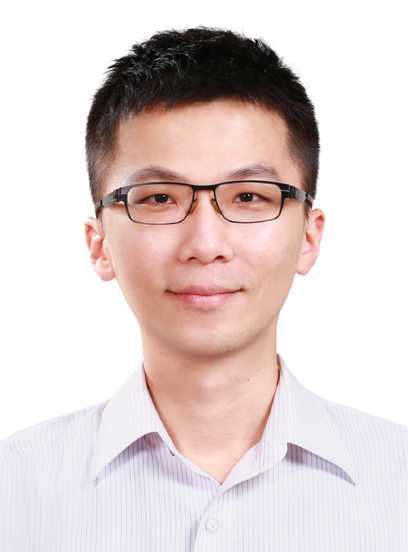
- Ming-Che Kuo
- MD
-
Attending physician , Department of Medicine, National Taiwan University Cancer Center
College of Medicine, National Taiwan University,
E-mail:kuomingche0402@gmail.com
Executive Summary:
Dr. Ming-Che Kuo is a distinguished neurologist and clinical scientist at the National Taiwan University Cancer Center. An expert in movement disorders, Dr. Kuo specializes in Parkinson’s disease (PD), Multiple System Atrophy (MSA), and Cerebellar Ataxia.
Dr. Kuo’s work is at the forefront of translational neurology, integrating neuroimaging, genomics, and multi-omic biomarkers to refine diagnostic accuracy and identify novel therapeutic targets. A prolific researcher, he has authored numerous high-impact publications in prestigious journals, including NPJ Digital Medicine and the Journal of Biomedical Science.
His pioneering contributions have earned multiple honors, including several National Innovation Awards and FutureTech Breakthrough Awards. Notably, his development of novel treatments for MSA provided the foundation for a biotechnology start-up currently conducting Phase II clinical trials worldwide. Beyond MSA, Dr. Kuo facilitates several landmark clinical trials for other rare diseases, including Spinocerebellar Ataxias (SCAs) and Amyotrophic Lateral Sclerosis (ALS).
His leadership extends across prominent medical organizations; he currently serves as the Director of the Society for Neurological Rare Diseases, Taiwan, and is the Secretary General of the Taiwan Brain Care Association.
Lecture Abstract:
Abstract:
The clinical landscape of atypical parkinsonian syndromes (APS) is undergoing a paradigm shift, moving from symptom-based clusters toward a biological framework defined by proteinopathy and multimodal biomarkers. This session explores the evolving diagnostic and therapeutic frontiers of alpha-synucleinopathies (Multiple System Atrophy and Dementia with Lewy Bodies), tauopathies (Progressive Supranuclear Palsy and Corticobasal Degeneration), and the Frontotemporal Dementia (FTD) spectrum.
We will examine how the integration of genomics and epigenomics (such as DNA methylation and non-coding RNA signatures) is unraveling the precise molecular drivers of phenotypic heterogeneity. The discussion will highlight the transformative role of Seed Amplification Assays (SAA) and skin biopsies in providing "liquid biopsy" evidence of protein misfolding, alongside the increasing sensitivity of alpha-synuclein and tau PET imaging.
Furthermore, we will address the synergy of connectomics and advanced neuroimaging in mapping network-level degeneration, complemented by functional tools like EEG and fNIRS for real-time cortical assessment. By bridging these innovative techniques with AI-driven digital phenotyping, we move closer to a precision medicine model. The goal is to facilitate earlier diagnosis, more accurate differential screening, and the identification of druggable targets for the next generation of disease-modifying clinical trials.
- Time
- Topic
- Speaker
- Moderator
- Chun-Yu Justus Chen
- MD, PhD
-
Staff physician, Neurological Institute, Taipei Veterans General Hospital
Assistant Professor, National Yang Ming Chiao Tung University
E-mail:justuscychen@gmail.com
Executive Summary:
Dr. Chen received his MD and PhD from National Yang Ming Chiao Tung University (formerly known as National Yang Ming University). He completed his Neurology Residency at Taipei Veterans General Hospital in Taiwan and is board certified in Neurology. He has experience recording and analyzing physiological signals in both animals and humans, with a focus on sleep and the autonomic nervous system, during his PhD training, and has conducted clinical studies related to movement disorders, headache, sleep, cerebrovascular disease, and dementia. He was also trained in clinical electrophysiology for movement disorders and transcranial magnetic stimulation at Toronto Western Hospital. His academic interest is autonomic dysfunction in Parkinson's disease and related disorders. Dr. Chen is currently a staff neurologist at Taipei Veterans General Hospital and an assistant professor at National Yang Ming University.
Lecture Abstract:
- Time
- Topic
- Speaker
- Moderator
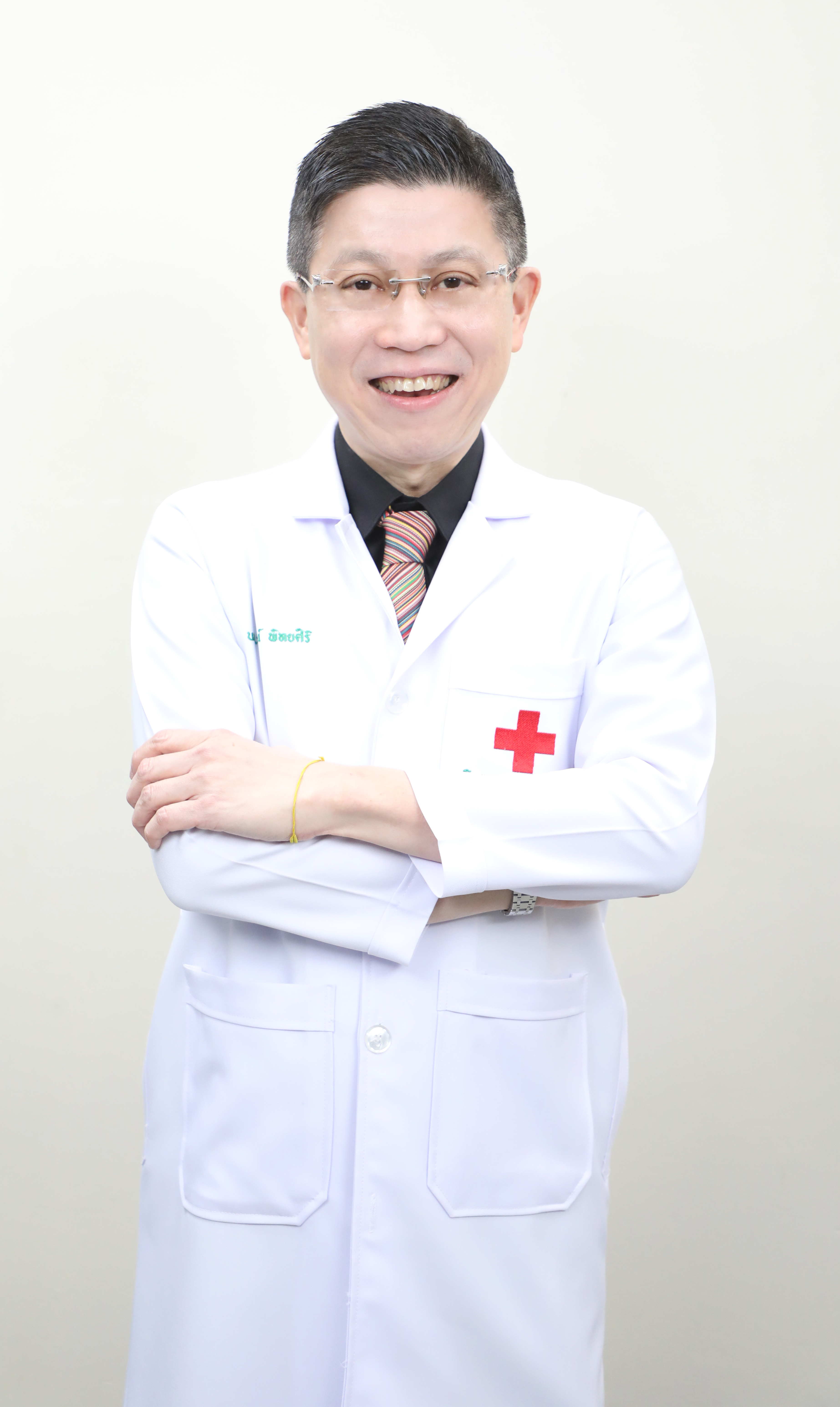
- Roongroj Bhidayasiri
- MD, FRCP, FRCPI, FAAN
-
Professor of Neurology and Director Chulalongkorn Centre of Excellence for Parkinson's Disease & Related Disorders Chulalongkorn University Hospital, Chulalongkorn University
E-mail:rbh@chulapd.org
Executive Summary:
Professor Roongroj Bhidayasiri graduated from the Faculty of Medicine, Chulalongkorn University, Thailand, and subsequently received postgraduate clinical training in the United Kingdom and the United States. He completed his neurology residency training at UCLA Medical Center and School of Medicine, Los Angeles, USA, followed by fellowship training in Movement Disorders at the same institution. He also received clinical and research training at several leading institutions in the United Kingdom, including the National Hospital for Neurology and Neurosurgery, Queen Square, London.
Professor Bhidayasiri is now Professor of Neurology at Chulalongkorn University and Director of the Chulalongkorn Centre of Excellence for Parkinson’s Disease and Related Disorders, King Chulalongkorn Memorial Hospital, Bangkok, Thailand. He is also a Fellow of the Royal Colleges of Physicians of London and Ireland, a Fellow of the American Academy of Neurology, and a Fellow of the Royal Society of Thailand. His main academic interests include Parkinson’s disease and movement disorders, digital health technologies, neurotechnology, digital biomarkers, wearable sensors, and innovative approaches to clinical assessment and patient care. He has held several leadership roles in the International Parkinson and Movement Disorder Society (MDS), including Chair of the MDS Asian and Oceanian Section, member of the MDS International Executive Committee, and Chair of the MDS Technology Study Group. He currently serves as Secretary and Treasurer of the Asian and Oceanian Association of Neurology (AOAN).